24/7 — Emergency Leak Detection Available Day or Night(951) 299-3473

Water Heater Leaking? Causes and What to Do Right Now

A leaking water heater can be a quick fix or a sign of a bigger problem. Sometimes the water is not even coming from the heater. It may be a fitting, the relief valve or a hot water line leaking nearby. This guide helps you find the source and stay safe. If you cannot find it, our water leak detection team can. Call (951) 299-3473, 24/7.

Why is my water heater leaking?

The most common causes are a loose or corroded pipe fitting on top of the heater, a temperature and pressure relief valve that is releasing water, a leaking drain valve near the bottom, condensation, or a tank that has rusted through. Only the last one means the tank itself must be replaced.

Where the water is coming from
Where you see waterLikely cause
Top of the heaterLoose inlet or outlet fitting, or a worn flex connector
Relief valve pipe on the sideValve releasing due to high pressure or heat, or a worn valve
Drain valve near the bottomValve not fully closed or a worn washer
Under the tank, no clear sourceTank corrosion, or a leak in a nearby line
Floor nearby, heater dryA hot water line leaking under the slab or in the wall
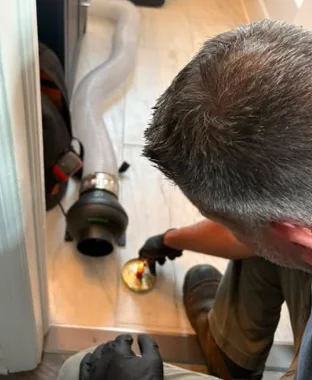
Technician testing for a hidden leak with detection equipment at floor level

What should I do first?

Turn off the cold water supply valve on top of the heater to stop more water from entering. For a gas heater, turn the gas control to the pilot or off position. For an electric heater, switch off its breaker. Then move belongings away, dry the area and take photos.

  1. Close the cold water valve on the pipe that feeds the top of the heater.
  2. Turn the gas control to off, or switch off the breaker for an electric unit.
  3. Keep children and pets away. The water and the tank can be very hot.
  4. Wipe the heater dry and watch where new water appears.
  5. If you smell gas, leave the home and call 911 and SoCalGas at 1-800-427-2200 from outside.

Read our guide to gas leak warning signs if you have any doubt about a gas smell near the heater.

Can a water heater leak actually be a slab leak?

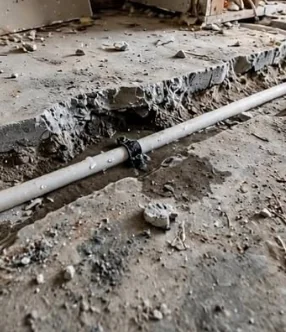
Yes. If the heater is dry but the floor around it stays wet, or the heater runs much more than usual, the hot water line leaving it may be leaking under the slab. Warm spots on the floor and a rising water bill are other clues that the problem is underground, not in the tank.

In many Murrieta homes the water heater sits in the garage, and hot lines run under the slab to the kitchen and baths. Homes in tracts like Bear Creek and Rancho Bella Vista often follow this layout. Learn the signs of a slab leak, or book slab leak detection to find out for sure.

Have a leak? Don’t wait for it to get worse.

Our technicians are standing by 24/7 with the equipment to find your leak fast. No unnecessary digging, no guesswork.

Is it the tank or a part that can be fixed?

Leaks from fittings, connectors and valves can usually be repaired. A leak from the tank body, often with rust at the base or water seeping from under the jacket, usually means the tank has failed and needs replacement. A pro can confirm which one it is before you spend money.

Hard water in Murrieta leaves sediment in the bottom of the tank. Over time this can lead to noise, lower efficiency and corrosion. Flushing the tank on the schedule in the owner's manual helps.

How much does it cost to find and fix the leak?

A hidden water leak detection visit in Murrieta costs about $200 to $550. A spot repair of an accessible pipe, such as a fitting at the heater, is often about $300 to $1,200. If the leak is under the slab, slab leak detection runs about $250 to $650. Your price is confirmed before work begins.

Approx. costs (estimates for planning only)
ServiceApprox. cost
Hidden water leak detection visit$200 to $550
Spot repair of an accessible pipe$300 to $1,200
Slab leak detection (typical home)$250 to $650

How can I prevent water heater leaks?

Check the area around your heater once a month for drips or rust. Flush sediment as the manual recommends, and have the relief valve tested. Replace braided connectors that show rust or kinks. A drain pan and a simple water alarm on the floor can warn you early.

  • Keep stored items away from the heater so leaks are easy to see.
  • Know where the cold water valve and gas shut-off are.
  • Note the age on the label. Older tanks deserve a closer look.

Frequently asked questions

Is a leaking water heater dangerous?

It can be. Hot water can scald, water near electrical parts is a shock risk, and a gas smell is an emergency. Shut off water and power or gas first, then get help.

Why is water coming out of the relief valve pipe?

The valve opens to release pressure or heat. It may be doing its job because pressure is too high, or the valve itself may be worn. Have it checked.

Can I still use hot water if the heater is leaking?

It is best not to. Shut off the cold supply and the heat source until the leak is found.

How do I know if the leak is under the slab instead?

If the heater stays dry but the floor near it is wet or warm, or your meter moves with all water off, the hot line under the slab may be leaking.

Prices are approximate estimates for planning. Your final price depends on your property and is confirmed before work begins.

Ready to find your leak?

Our technicians are standing by 24/7 with the equipment to find your leak fast. No unnecessary digging, no guesswork.

Call Now — (951) 299-3473