24/7 — Emergency Leak Detection Available Day or Night(951) 299-3473

How Does Leak Detection Work? The Tools and Steps Explained

Leak detection is the process of finding the exact spot where water, sewage or gas is escaping, without tearing open walls, floors or yards to look. Professionals use sound, heat, pressure and cameras to narrow a hidden leak down to a small area. Here is how each tool works. For help now, call (951) 299-3473.

How does professional leak detection work?

A technician first confirms there is a leak, usually with the water meter and a pressure test. Next, they isolate which line is leaking: hot, cold, main line, irrigation, pool or drain. Then they use listening, thermal and moisture tools to pinpoint the spot, and mark it so the repair can be small and accurate.

  1. Confirm: Check the meter and test the system's pressure.
  2. Isolate: Shut valves and test each line to find the one losing water.
  3. Locate: Trace the pipe's path and listen or scan along it.
  4. Pinpoint: Narrow the leak down to a small spot.
  5. Mark and explain: Show you the evidence and talk through repair options.
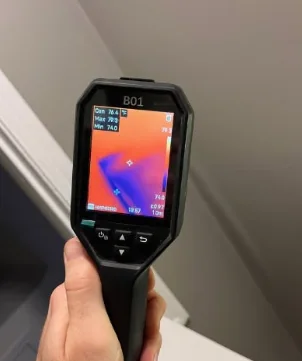
Infrared thermal imaging camera showing a cool spot on a wall

What is acoustic leak detection?

Acoustic leak detection uses sensitive ground microphones and electronic amplifiers to hear water escaping from a pressurized pipe. Water forced through a small hole makes a hiss or rush that travels through concrete and soil. The sound is loudest right above the leak, which lets the technician pinpoint it.

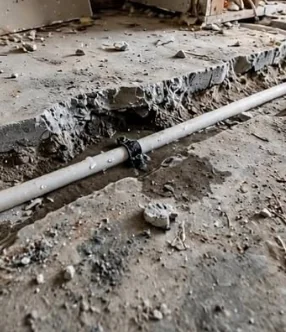
This is the main tool for slab leak detection and buried water lines. It works best on pressurized lines, so it is often paired with a pressure test.

How does thermal imaging find leaks?

An infrared thermal camera shows temperature differences on a surface. A leaking hot water line warms the floor above it, and wet drywall often reads cooler than dry areas around it. The camera does not see through walls, but these heat patterns point to where water is spreading.

Leak detection tools and what they are best for
ToolBest for
Acoustic listening and amplifiersSlab leaks and buried pressurized lines
Infrared thermal cameraHot water leaks and wet walls or ceilings
Moisture meterMapping wet drywall, flooring and baseboards
Pressure testing equipmentConfirming which line is leaking
Line tracerFollowing the path of buried pipe
Video pipe cameraCracks, roots and breaks inside drain and sewer lines

Have a leak? Don’t wait for it to get worse.

Our technicians are standing by 24/7 with the equipment to find your leak fast. No unnecessary digging, no guesswork.

What is pressure testing?

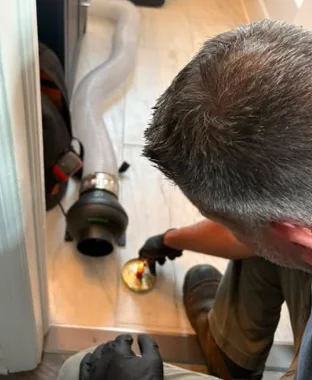
Pressure testing closes off a section of plumbing and watches whether it holds pressure over time. If the pressure drops, that section is leaking. Testing hot, cold and other lines one at a time narrows down where the problem is before any listening or scanning begins. It is also used on pool lines and gas lines.

For pools, pressure tests are combined with dye tests at fittings. See our pool and spa leak detection service and the pool bucket test guide.

How are sewer and drain leaks found?

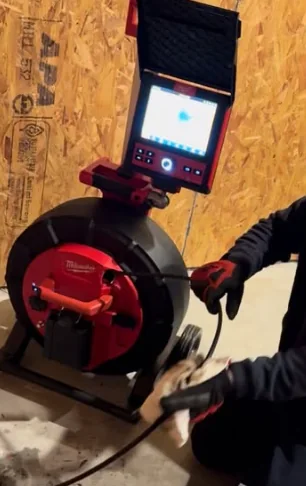
Drain and sewer lines are not under pressure, so listening tools do not work as well. Instead, a waterproof video camera goes through the pipe to show cracks, roots and breaks. A locator on the camera head shows where and how deep the problem is from above ground.

Learn more in our sewer camera inspection guide.

Why does accurate detection matter in Murrieta?

Many Murrieta homes sit on concrete slabs, have long buried lines to pools and landscaping, and deal with clay soil and hard water. That means many leaks are hidden under concrete or soil. Finding the exact spot keeps repairs small and protects floors, hardscape and yards from needless digging.

Older homes near Historic Murrieta, resort-style yards in Murrieta Hot Springs and large lots in Los Alamos Hills each bring their own challenges. Our water leak detection team matches the tool to the leak.

Frequently asked questions

Is leak detection safe for my home?

Yes. The tools are non-invasive. They listen, scan and measure from the surface, so nothing is opened until the leak is found.

Can thermal cameras see through walls?

No. They read surface temperature. Heat patterns from hot water or wet areas show where to look more closely.

How accurate is professional leak detection?

Combining pressure testing, listening and thermal tools usually narrows a leak to a small area, so the repair opening stays small.

How long does a leak detection visit take?

Most visits take about one to three hours, depending on the size of the property and how many lines need testing.

Prices are approximate estimates for planning. Your final price depends on your property and is confirmed before work begins.

Ready to find your leak?

Our technicians are standing by 24/7 with the equipment to find your leak fast. No unnecessary digging, no guesswork.

Call Now — (951) 299-3473